3D animation · CGI · Stockholm

3D animationfor advertising

In 3D, anything can be made: the sky's the limit. Our own 3D team builds products, environments and whole worlds for advertising, from a can in space to holograms around a car that stands still in the studio, and we mix 3D with filmed footage when that fits. Here is how we set the frames so the freedom does not run away, and how a real job goes.

  • Our own 3D team in the office
  • Frames set before the heavy work
  • A fixed price before we begin
Celsius Cosmic Vibe: a pure 3D job, from the first sketch to the last frame
Fig. 1Celsius Cosmic Vibe: a pure 3D job, from the first sketch to the last frame Read the case →

01Included

What can we build in 3D?

  1. 01

    Anything can be made, and that is also the risk

    You can always change the camera angle, add things and rebuild, endlessly. That is liberating, and it is also what can run away with time and price if nobody sets limits. An event film is locked once the camera has been switched off. A 3D film is not locked until we have decided that it is. That is why we set the frame before the heavy work begins.

  2. 02

    Products in exactly the light you want

    The product is built in 3D and filmed with light, angles and movement that a studio cannot give you. One model gives film, stills and banners in every format, and can be reused in new angles and campaigns. For The Humble Co the product was made in 3D, where we decide exactly how the light falls.

  3. 03

    Environments and whole worlds

    The space in Cosmic Vibe, the pool in Summer Vibe, the village of folded paper for MrCake: worlds that do not exist, or that would be too awkward to build for real. Paper that looks hand-folded was hard to make in the computer, so we folded the models for real and 3D scanned them.

  4. 04

    Characters and animation

    A nutcracker that comes to life, carries in a calendar and hands it to a person. Figures, objects and packaging that move, for advertising that gets noticed. How we did the nutcracker is further down.

  5. 05

    Holograms and graphics

    In Xpeng's films the car stands completely still in the studio. The holograms that draw a city around it and the interior that is taken apart are built in 3D afterwards.

  6. 06

    3D and film in the same shot

    Anything that mixes filmed footage with 3D needs camera tracking: the computer recreates exactly how the camera moved and builds a simplified copy of the place, so that what is built stays where it should, with the right light and shadows. If it is done carelessly it looks like it is floating around. We do simpler tracking ourselves, and it rarely takes less than an hour. For complex jobs tracking costs SEK 2,000 to 4,000 per 10 seconds of film. That is how we stitched the seasons together in the Lundhags film and built the giant can in Orange Rush. Read more about FOOH.

02Real jobs

How we got a nutcracker to hand a calendar to a person

MrCake's advent calendar 2024: a 3D figure had to carry the calendar across a real table to a real person. Everything had to match perfectly. This is how it went.

The nutcracker walks across a real table

MrCake · the advent calendar 2024

  1. Sketch, model and textureFirst we collected references for how the figure should walk, and sketched. At the same time a colleague planned the shot list for what was to be filmed for real. When the nutcracker was modelled and had a rough walk cycle, we put the textures on.
  2. Quick renders to the clientThen it was a matter of crossing our fingers that the client did not have a completely different vision in their head, which sometimes happens. The answer was that they loved the details of the nutcracker.
  3. What has to matchWe have done a fair amount of VFX with animated products in the real world. But how do you get an enchanted nutcracker to give a package to a real person? Everything has to match perfectly. We started by talking it through with our comp lead.
  4. Light and reflectionsWe set up the scene and took an HDRI, an image of the room's light, so that the figure gets the same light and reflections as the real table.
  5. Tracking markers and three hoursWe put up a great many tracking markers, better safe than sorry. Then we filmed the same sequence for three hours, to be able to track the footage properly and get a digital copy of the camera.
  6. The figure goes inThe character was put in and animated so that the calendar ended up in the right place.
  7. The background was a bit emptyThe scene felt empty and the background needed more bokeh, so we placed props afterwards.
  8. Clean upAll the tracking markers and the box were painted out in Photoshop, and the cleaned images were projected back onto the footage.
  9. Cut outThe hands and the box were rotoscoped, frame by frame, so the background could be blurred.
  10. Grade, cut and soundLast we graded, cut and did the sound. Done.
The film crew at a table with an advent calendar, a red curtain and a Christmas tree, with the camera on the table and a large softbox above
How it looked when we filmed. The table is empty except for the calendar, and the nutcracker is not there yet.
Presents, a roll of paper and a pair of scissors as grey 3D models in Blender
This was added afterwards. The picture felt empty, so the presents, the paper roll and the scissors were built in 3D.
The nutcracker carries the calendar across a table with wrapping paper and cards, in front of a Christmas tree with blurred lights
The result. The background was blurred afterwards, and it was rotoscoping the hands and the box that made it possible.

On complex projects like Xpeng and Lundhags we want a very clear plan before we begin. The work itself is long and advanced, and we do not want to spend time on things that later have to be redone. Read about Xpeng and Lundhags.

03Process

How we set the frames for a 3D job

  1. 1

    Brief and material

    You tell us what the film should do and where it will be shown, and show us pictures you like. A CAD file or the packaging artwork makes it faster, otherwise we build the product from pictures and measurements. You get a fixed price before anything is built.

  2. 2

    On paper first

    We start with a storyboard, old school: one, two or three, with revisions. When it starts to feel right we make a style frame, a finished image that shows the look and feel, and new ones until it is right. Up to here it is still cheap to change your mind.

  3. 3

    Animatic

    When the script and the rough look are clear we make a simple animatic: the still images with a few extra frames, music and sound, so you see and hear the pace before anything is built. You approve on that. It is much cheaper than changing things after the heavy work is done.

  4. 4

    The build, and we speak up early

    Modelling, materials, light, animation and effects, with heavy rendering overnight on our own computers. If we find that something that sounded good on paper does not work when we animate, we say so right away and come with new suggestions, and what they mean for the price. Last come colour, sound and delivery in the formats you need.

04Price

What does 3D animation cost?

3D is priced by working time, and the time is set by a few things: how hard the product is to build (a drinking glass takes hours, a car hundreds), how many materials it has, how advanced the environment is, whether anything is simulated (cloth, smoke or water can take hours to calculate per try) and how long the film is. What most often runs away with the time is not the difficulty, but not knowing exactly what you want. That is perfectly fine, but at Electric Lemonade about 35 hours went on references, tests and revisions alone before the client said “let us test this”. That is why we set frames first. You get a fixed price before we begin, and the hours from real jobs are in What does a 3D film cost?.

  • Smallfrom SEK 10,000

    One animation, one product image in 3D or one short clip. About two working days.

  • Mediumfrom SEK 40,000

    One shoot day or one 3D film, edited and delivered in the formats your channels need.

  • Largefrom SEK 65,000

    A campaign with several films and images, from idea to finished files.

If you already have a 3D model or a CAD file it saves time. If you know what you want you can order straight in Motorn, otherwise tell us and we will suggest a set-up. Order straight in Motorn →

06Words

What people who worked with us say

Midnatt delivers at a high creative level, with a strong feel for both channel and audience. We at Celsius are very happy with the collaboration.

Frida AllanderHead of communications, Celsius

From brief to delivery everything felt professional and easy. The team listened, had no ego and were easy to work with, with fast replies and high quality all the way. The result gave a clear lift in reach and engagement in our social channels.

Louise LehmannMarketing Manager, The Humble Co

07FAQ

Frequently asked questions

What is the difference between 3D animation, CGI and VFX?

3D animation is moving image built in 3D. CGI is everything created in a computer, for example a product, an environment or an effect. VFX are effects added to filmed footage. In advertising they are often mixed: a film can be entirely 3D, entirely filmed or filmed with 3D added.

What does 3D animation cost?

It depends mostly on how much has to be built. An animation, a product image in 3D or a short clip starts at SEK 10,000, and a 3D film at SEK 40,000. How hard the product is to build, how advanced the environment is and whether anything is simulated decide the rest. You get a fixed price before we begin. The hours from real jobs are in What does a 3D film cost?.

Why can 3D run away in time and price?

Because anything can be changed. In 3D you can always change the camera angle, add things and rebuild, and that freedom is easy to get stuck in. That is why we set frames before the heavy work begins: a storyboard, a style frame and an animatic that you approve. That is what keeps time and price in check.

What is an animatic?

A simple version of the film made from the still images: the images in the right order with a few extra frames, music and sound. It shows the pace and the story before anything is built, and you approve on it. It is much cheaper to change things in the animatic than after the heavy work is done.

Do you lock us into the plan?

No. A fixed plan is there to avoid waste, not to hold on to a bad idea. If we find that something that sounded good on paper or in the animatic does not work when we animate or make effects, and you often only see that then, we say so right away and come with new suggestions, together with what they mean for the price.

Do we need a 3D model of our product?

It helps, but it is not required. A CAD file or the packaging artwork saves time. Otherwise we build the product from pictures and measurements. If an idea needs a model we say so right away, and what it costs, before we begin.

How long does it take?

A simple animation or product image takes about two working days. A film with a built environment or simulations takes longer, because heavy rendering can take hours per try. We render most things overnight on our own computers, and when it is urgent we can run on a render farm that is 10 to 20 times faster, at an extra cost. You get a schedule with the quote.

Can you mix 3D with filmed footage?

Often, yes. The camera's movement in the filmed material is recreated so that 3D objects stay in the right place with the right light. That is how the giant can in Orange Rush was made, the seasons in the Lundhags film and the nutcracker walking across a real table for MrCake.

Can we get stills and short versions from the same 3D?

Yes. One model gives film, stills, banners and short versions for social media, in every format. Once the product is built it can be reused in new angles and campaigns.

Do you do 3D for companies outside Stockholm?

Yes. 3D can be made anywhere, and we meet in person or online. Our clients are all over Sweden and in several countries: Celsius, for example, orders from the same team in Sweden, Finland, France, the UK and Benelux.

The people behind it

We are the ones who do the work.

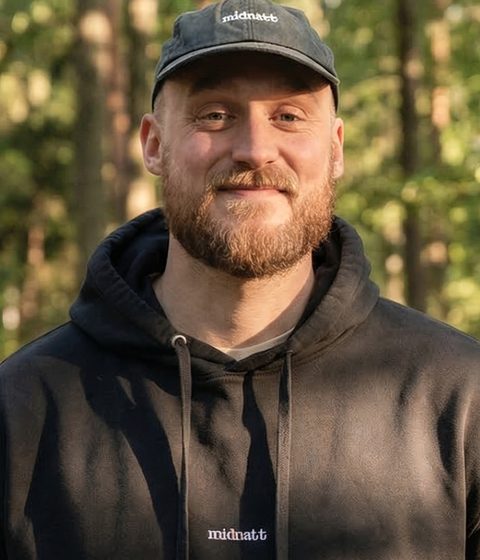
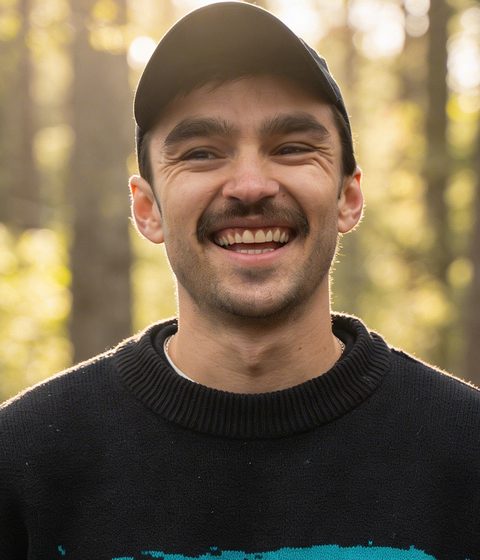
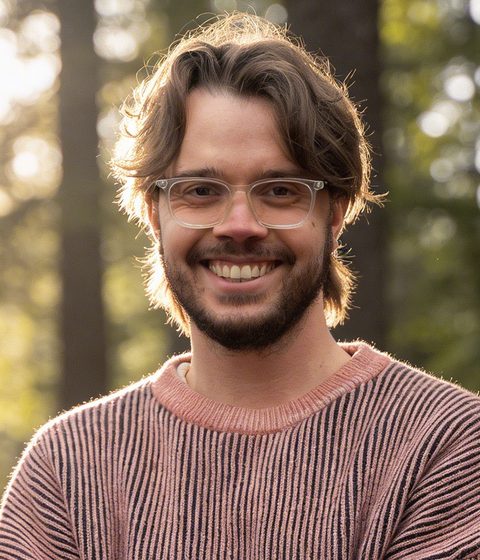
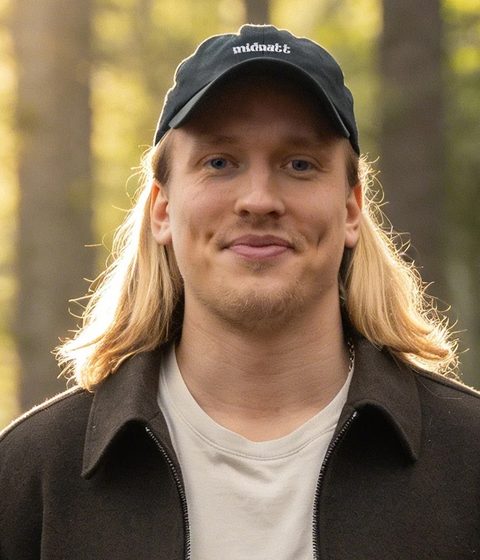
You talk to the people who make the film, and we are the ones who read what you send. Nine people on Krukmakargatan in Stockholm.

  • Emil TravergårdOperations / Co-Founder
  • William ForslundCo-Founder
  • Melker Sehlstedt3D Artist / Photographer / Co-Founder
  • Tim StandefeldtHead of Sales
  • Annika FranczakProducer
  • Elsa Gunnarsson3D Generalist
  • Felix NorrsellMotion Designer / Editor
  • Leo SundbergSound Designer / Editor
  • Alexander Lundvall3D Intern

+46 (0)700 77 00 35kontakt@midnattmedia.seKrukmakargatan 44, StockholmMore about us →

Tell us what you want to build in 3D

Write a few lines about the product or the idea. We answer with questions and a price.

What do you want in 3D?
Do you have a 3D model or a CAD file?

Goes straight to our inbox. Nothing is binding.

Talk to us →